

Separate the game family from the delivery format
A game family describes the underlying activity: matching symbols, following card rules, selecting wheel outcomes or participating in a crash round. The delivery format describes how that activity reaches your screen. A roulette game can use an animated wheel or a broadcast of physical equipment while remaining a roulette game in both cases.
This distinction explains why one lobby can list both Tables and Live Casino. Those sections may overlap rather than contain completely different games. Provider names form another layer: they identify the company behind a product, not a separate set of universal rules. Promotional collections, such as New or Featured, describe how a lobby groups its titles.
Use the two questions together: what kind of round is this, and how is it delivered? That gives a clearer starting point than deciding from a character, colour scheme or large number on a thumbnail.
Scroll sideways to read the full table.
| Lobby label | What it mainly describes | What still needs identifying |
|---|---|---|
| Slots | A symbol-based game family | The paytable, round structure and controls |
| Table games | Card, wheel or dice game families | The variant and whether delivery is virtual or live |
| Live casino | A broadcast-based delivery format | The actual game, equipment and timing |
| Crash games | A round built around a rising multiplier and a crash | The entry, settlement and interruption rules |

Slots: symbols, rounds and an individual game screen
A typical online slot displays reels or a grid of symbols. Its paytable explains which outcomes have a payout and how the displayed symbols relate to those outcomes. The artwork supplies a theme; the paytable supplies the meaning. Two slots with similar characters can organise their symbols and winning combinations differently.
A basic interface usually brings together a stake control, a spin control, a balance display and an information menu. Those controls deserve separate attention. A number beside a coin symbol might describe the selected stake, while another number describes a possible payout or a result. Identify the labels before interpreting the amounts.
Some games include additional rounds, expanding symbols or other named features. At this overview level, the useful distinction is between the ordinary round and a feature that changes what is happening on screen. Feature descriptions belong to the individual title. Our online slots guide takes a closer look at paytables, game information and the terms used around slot outcomes.
Table games: recognise the activity before the variant
Table games often borrow the layout of a physical casino table. The layout helps organise the choices, but a familiar surface does not establish a complete rule set. Words added to a game name can identify a different version with its own dealing procedure, wheel layout, optional selections or payout schedule.
Roulette is organised around a numbered wheel and a betting layout. Blackjack centres on comparing a hand with the dealer under a set of card and decision rules. Baccarat presents named hands, commonly Player and Banker, with outcomes determined by its dealing rules. These descriptions identify the families; they do not rank them or provide a method for making money.
A useful way to compare unfamiliar tables is to identify what is decided before a round and what decisions, if any, remain during it. Do not transfer a button's meaning from one family to another. A familiar word can refer to a different action, and an optional side selection is distinct from the main game.
Scroll sideways to read the full table.
| Family | Main visual reference | First orientation question |
|---|---|---|
| Roulette | Wheel and numbered layout | Which wheel and table variant is shown? |
| Blackjack | Player and dealer hands | Which decisions and deadlines belong to this version? |
| Baccarat | Named hands and result areas | How are the hands dealt and the outcome recorded? |
Virtual tables and live tables are different delivery formats
In a virtual table game, computer graphics represent the cards or wheel and software generates the outcome. In a live physical-table format, a stream shows equipment such as cards or a roulette wheel, while an on-screen interface records participation. The Gambling Commission's live and virtual definitions make this distinction using physical equipment versus a random number generator.
A realistic camera angle or a detailed animated dealer is therefore not enough to identify a broadcast. Conversely, physical equipment can be automated: a live wheel need not always have a presenter standing beside it. Look for the format description rather than treating every realistic image as evidence of a human-operated round.
Neither format label supplies a quality rating or removes financial risk. It tells you how the experience is produced. The relevant rules still belong to the particular game, including any additional features that combine physical and software-generated elements.
Live casino adds a shared schedule and a broadcast interface
A broadcast can show the same round to several participants while each person uses their own account interface. The video provides a view of the activity; the interface supplies the entry controls, accepted actions and recorded result. Keeping those roles separate helps explain why watching a round is not the same as having a confirmed entry in it.
Many live interfaces use a betting window followed by a period in which the round proceeds. Some games also ask for decisions during play. The on-screen deadline is part of the interface to understand, rather than a reason to rush an unfamiliar choice. When an action is unclear, the activity record matters more than an assumption based on the video alone.
Evolution's live-casino explanation describes streamed studios, interface controls and game Help screens. It also lists traditional tables alongside hosted game shows. A presenter-led show can use a wheel or another staged activity; its specific format needs reading separately from familiar table-game rules.
Crash games: a changing multiplier within a defined round
Crash games usually display a multiplier that rises while a round is running. A participant's settlement action must be accepted before the crash under the game's rules; an unsettled entry can be lost when the round ends. An aircraft, graph or other animation is the visual presentation of that process, not a forecast of the ending point.
For a named example, Spribe describes Aviator as a multiplayer format with a growing multiplier and an action to cash out before the flight ends. That example does not make every crash product identical. Entry windows, automatic controls and the handling of accepted actions can differ between titles.
The presence of other participants or a previous-results display does not turn a casino crash round into a sports event. The family has its own round structure. Our crash games guide explains the terminology and interface questions in more detail, without treating a rising animation as a guaranteed return.
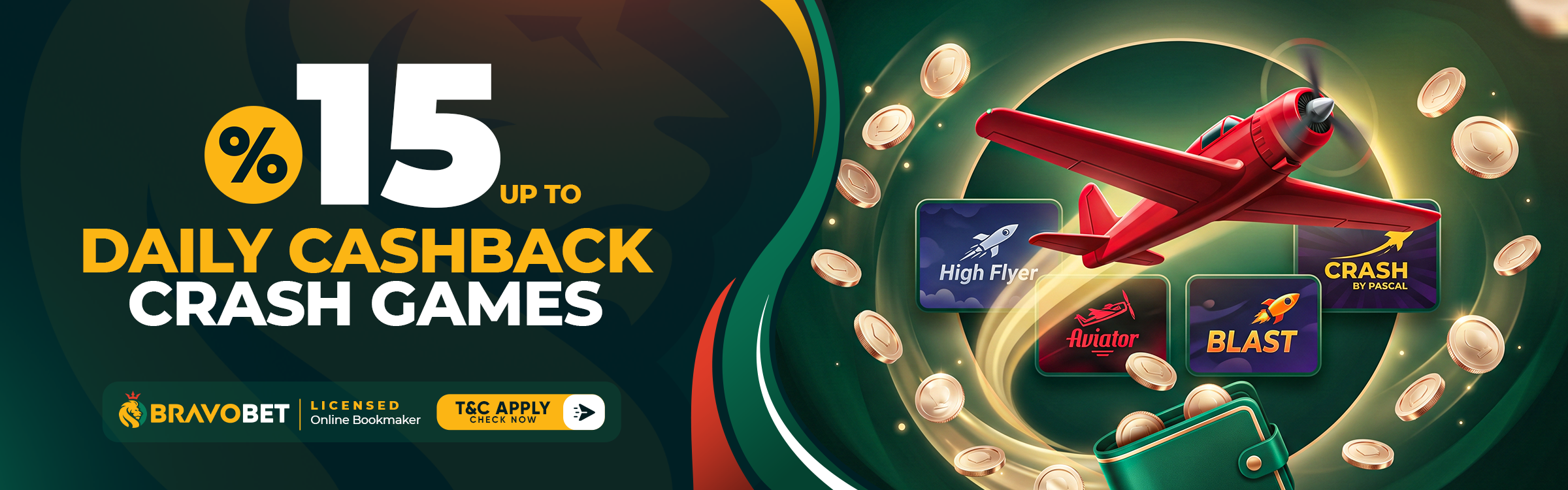
Read the tile as an index, not a complete explanation
A lobby tile is a small signpost. It may show a title, provider logo, category badge and an illustration. Search results become more useful when you separate those identifiers. A title identifies the product; a provider identifies its maker; a badge might identify a category, a promotion or the site's own recommendation.
Search and filters can then answer different questions. A category filter narrows the game family. A provider filter narrows the developer. A Live filter narrows a delivery format. A Featured filter may reflect a promotional collection rather than a technical property. Combining filters can hide titles, so a short result list is not automatically a complete catalogue.
Before opening a tile, note the exact name and any version wording. Similar names can lead to different products. Once the game opens, confirm that the heading matches the tile you selected. This simple comparison is especially useful when a lobby contains several sequels or visually related games.
A short lobby comparison in practice
Imagine a hypothetical lobby containing an animated roulette title and a live roulette table. They belong to the same game family, so placing both under Roulette makes sense. The live table can also appear under Live Casino. Seeing it twice in those collections does not mean there are two separate products or two opportunities attached to one round.
Open each information panel and make a small comparison: exact variant, delivery format, timing and location of the result record. The animated title might start an individual round, while the broadcast follows a shared schedule. That is a format difference. A different wheel layout or a special rule would be a rules difference, even if both screens used the same green table design.
The comparison is complete when those differences are named. You do not need to decide which is best to understand the lobby. The same method works when two slot sequels share artwork or several crash titles use an aircraft theme.
Find the information screen before interpreting the controls
An information screen turns a recognisable category into a specific game. Locate the rules, the explanation of results and the meaning of the stake display. An information icon, Help menu or paytable may contain different parts of that explanation. Reading only a splash screen can leave the central controls unexplained.
As a useful information-design reference, the Gambling Commission's game-information standard covers accessible rules, interaction instructions and payout descriptions. For orientation, those are practical headings under which to organise your notes about any unfamiliar interface.
Keep the notes short enough to use. You should be able to identify the round, distinguish a selected amount from a confirmed action, and recognise where the result appears. If a label remains ambiguous, stop at that point rather than guessing from an animation.
- Identity: exact game title, provider and version.
- Format: software-generated, streamed physical equipment or a described combination.
- Controls: stake selection, entry confirmation and any later decisions.
- Record: the displayed result and where completed activity can be reviewed.
Compare pace and screen space as interface features
An individual software round and a shared broadcast can feel different because control over timing is different. A label such as Speed describes a product variant, not a measure of suitability. Faster activity can make it harder to keep track of accumulated spending, while a longer broadcast still involves financial risk.
On a phone, distinguish the video area from the active controls and account information. A compact screen might put a rule menu behind an icon or require a separate view for a record. Test whether the labels remain readable in your usual orientation. Turning a device changes the layout; it does not change what an accepted action means.
If a demonstration or observation mode is available, use it to understand those locations and labels. Virtual balances and demonstration results are not personal funds or evidence of future real-money outcomes. Being comfortable with a screen is different from being able to predict the game.
Keep game features separate from account promotions
The word bonus can refer to two different subjects. A feature round inside a game is part of that title's rules. An account promotion, such as a deposit match or cashback campaign, is a separate offer with its own conditions. A lobby can place both messages close together, which makes the distinction easy to miss.
First identify the game without attaching a promotion to it. Then, if an offer is relevant, read its separate eligibility and conditions. A game-family label does not establish promotional eligibility, and a large campaign image does not explain the controls of the game underneath it. The bonus and cashback terms guide covers that second task; this guide concentrates on recognising the product itself.
Leave the lobby with an explanation, not a prediction
A useful comparison ends with a plain description: this is a symbol-based game, a particular table variant, a streamed round or a crash format. Add how the result is presented and which actions require confirmation. That description is more informative than a ranking based on graphics, a popular badge or the size of an advertised maximum.
Understanding a category does not create a dependable income opportunity. For adults aged 18 and over, the decision can include choosing not to participate. Keep money needed for essentials separate, retain time and spending boundaries, and avoid treating another round as a way to recover a loss.
Independent support is available from the South African Responsible Gambling Foundation, whose contact page describes free, confidential counselling, assessment and referral. You can seek help when gambling becomes difficult to manage, without having to resolve every game-related question first.
Sources and further reading
- Gambling Commission: definitions of live and virtual casino games
- Gambling Commission: RTS 3 — rules, game descriptions and the likelihood of winning
- Evolution: live casino formats and interfaces
- Spribe: Aviator product description
- South African Responsible Gambling Foundation: counselling and contact information
About this guide
General category information prepared for adults in South Africa from the primary sources listed here, checked on 12 November 2026. BravoBet's current catalogue, individual game versions and availability were not independently verified. UK Gambling Commission material is used to explain terminology and information design, not to describe South African licensing requirements. Provider examples identify formats and are not endorsements or claims that a particular product is offered by BravoBet. Supplied campaign images are illustrations, not evidence of a current catalogue or active offer. Read how these guides are prepared.